

Understanding the Oil & Gas Supply Chain
The Oil & Gas supply chain is complex and highly specialized, but its core principle is simple: ensuring the right goods and services are available at the right time, at the best cost, while minimizing risk and hidden expenses. Ultimately, it enables every part of an organization to function effectively.
This process impacts nearly every department—operations, finance, procurement, invoicing, and payroll, among others. In larger organizations, dedicated supply chain teams are often responsible for managing this complexity.
This guide outlines the fundamentals of the Oil & Gas supply chain and offers insight into how companies can manage it more effectively.
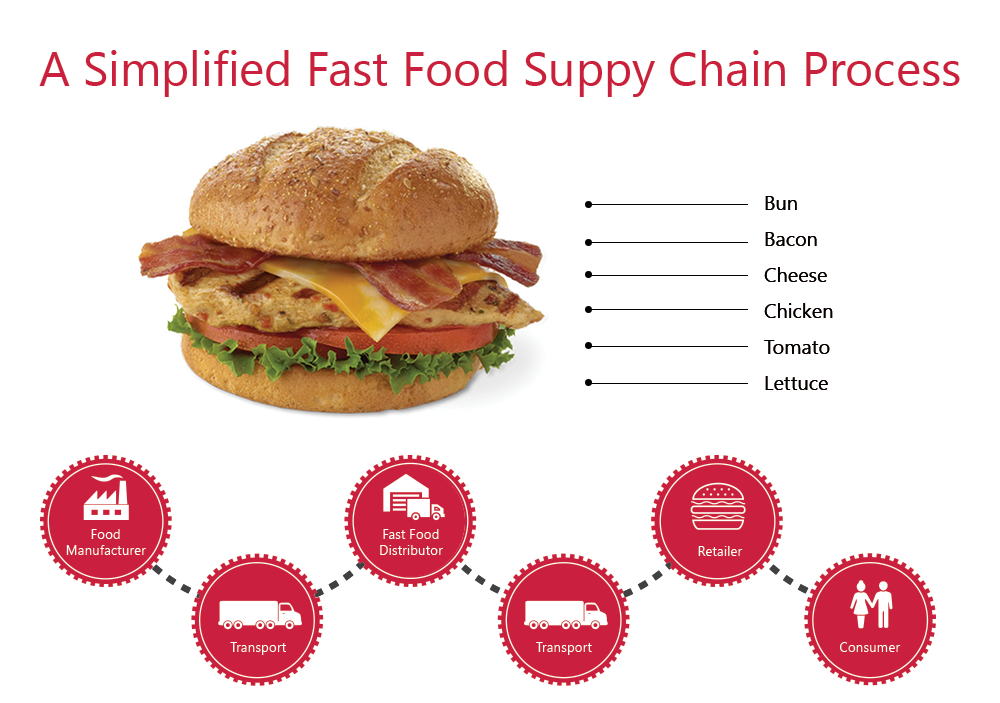
Burger Analogy: Running a Burger Business
Think of operating a burger restaurant. You need ingredients like meat, cheese, and buns, as well as equipment such as stoves and cleaning tools.
Beyond identifying what you need, you must determine how much you need and when to restock. How many burgers are sold daily? Are weekends busier? Is your cleaning schedule sufficient? These decisions directly affect efficiency and profitability.
Quality also matters. You want the best products at the best prices, which requires reliable data on suppliers—both current and potential.
Managing a supply chain goes beyond tracking quantities and costs. It involves overseeing the entire process: market pricing, supplier selection, service delivery, verification, and payment. Only by understanding the full cycle can a business improve efficiency and maximize returns.
What Makes Up the Oil & Gas Supply Chain?
The Oil & Gas supply chain includes all goods, services, and processes needed to support operations across three sectors:
Upstream (exploration and production)
Midstream (transportation and storage)
Downstream (refining and distribution)
It consists of three main components:
Supplies: Equipment, materials, and parts
Services: Skilled labor and operational support
Transportation & Logistics: Movement of goods and personnel
Key Categories of Supplies
Parts: Pipes, valves, drill bits, gaskets
Materials: Sand, fuel, water, wiring
Operational Equipment: Generators, cranes, trucks
Safety Equipment: PPE, fire extinguishers, detection systems
Chemicals: Drilling fluids, lubricants, corrosion inhibitors
Technology: Communication systems, GPS, software, monitoring tools
Services Across the Industry
Upstream: Surveying, engineering, equipment rental
Midstream: Construction, pipeline inspection
Downstream: Maintenance, modeling, waste management

Transportation & Logistics
This includes both internal teams and external logistics providers responsible for delivering goods and services where they are needed. It is highly sensitive to global disruptions such as geopolitical conflicts and shipping delays.
Major Supply Chain Challenges
Limited Data Access: Many companies lack the data needed for informed decision-making.
Poor Cost Visibility: Delays in cost reporting hinder proactive management.
Vendor Data Gaps: Limited insight into alternative suppliers reduces competition.
Data Silos: Multiple disconnected systems create inefficiencies and errors.
Price Volatility: Global events cause unpredictable cost fluctuations.
Long-Term Contracts: Fixed pricing can lead to inefficiencies and inflated costs.
Compliance Requirements: Strict safety regulations add complexity and cost.
Procurement Inefficiencies: Manual processes lead to invoice disputes and delays.
ESG Considerations
Supply chains also play a key role in ESG (Environmental, Social, Governance) goals, including:
Emissions tracking
Supplier diversity
Regulatory compliance
Effective ESG management depends heavily on accurate, centralized data.
Best Practices for Supply Chain Management
Unified Purchasing Process: Implement a single, end-to-end system
Increased Competition: Expand and evaluate supplier networks
Automation: Reduce manual processes and errors
Proactive ESG Tracking: Monitor performance continuously
Real-Time Data Access: Enable faster, better decision-making
The Role of Source-to-Pay (S2P)
A strong Source-to-Pay system connects every stage of procurement—from sourcing vendors to making payments—into one streamlined process. This improves efficiency, reduces errors, and provides real-time visibility into spending.